
A diesel generator is only useful if it starts and carries the load the moment you need it. Most generator failures – flat batteries, fuel problems, overheating, engines that will not start – come from missed servicing, not from faulty machines. This diesel generator maintenance checklist sets out what to check daily, weekly, monthly and at each service interval, so your standby or prime power set stays reliable for years.
The checklist applies to most three-phase diesel generator sets, from small 15 kVA units to large industrial gensets. Always follow the service schedule in your engine maker’s manual first – the intervals below are typical guide figures, not a replacement for it.
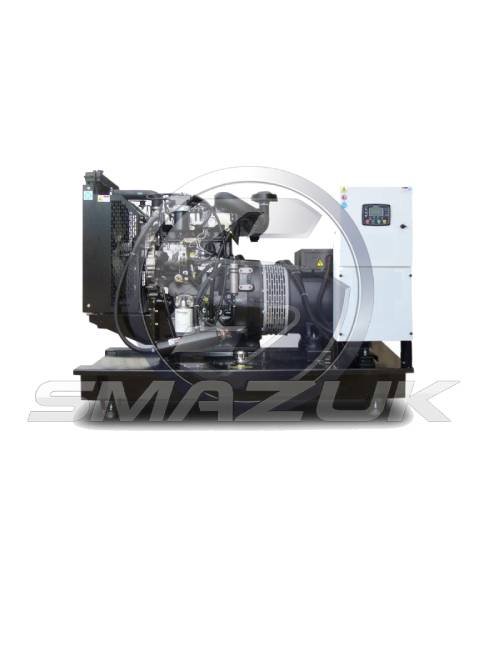
Why diesel generator maintenance matters
- Reliability: a standby generator may sit idle for months, then has to start first time during a power cut.
- Engine life: clean oil, clean filters and correct coolant protect the engine from wear and overheating.
- Fuel costs: a well-maintained engine burns fuel more efficiently.
- Lower repair bills: small problems such as a leaking hose or a worn fan belt are cheap to fix when caught early.
Daily and weekly generator checks
These quick visual checks take a few minutes and catch most problems before they stop the set. For generators that run every day (prime power), do them daily. For standby generators, do them at least weekly.
- Engine oil level on the dipstick – top up with the grade stated in the manual.
- Coolant level in the expansion tank (check only when the engine is cold).
- Fuel level in the day tank, and look for fuel leaks around pipes and filters.
- Leaks of oil, coolant or fuel under the canopy.
- Air filter restriction indicator, if fitted – see our guide on when to clean or replace an air filter; the same principles apply to generator engines.
- Battery charger working and showing no fault lights.
- Control panel: no alarms, and the generator is set to AUTO if it is a standby unit.
- Radiator and canopy vents clear of dust, leaves and rubbish.
Monthly checks: exercise the generator under load
A standby generator should be run regularly, not just started. Running a diesel engine for long periods at very light load can cause wet stacking – unburnt fuel and carbon building up in the exhaust. A common practice is to run the set once a month for around 30 minutes with a meaningful load connected, or with a load bank. Your engine maker’s manual will give the recommended minimum load.
- Start the set and check it reaches correct voltage and frequency (400 V / 50 Hz three-phase in the UK).
- Listen for unusual knocking, and look for heavy black or white smoke.
- Check battery terminals for corrosion and tightness, and electrolyte level on non-sealed batteries.
- Check fan belts for cracks and correct tension.
- Inspect coolant and air hoses for cracks, swelling or loose clamps.
- Drain water from the fuel water separator.
- Test the automatic transfer switch (ATS), if fitted, so the set takes over the load during a mains failure.
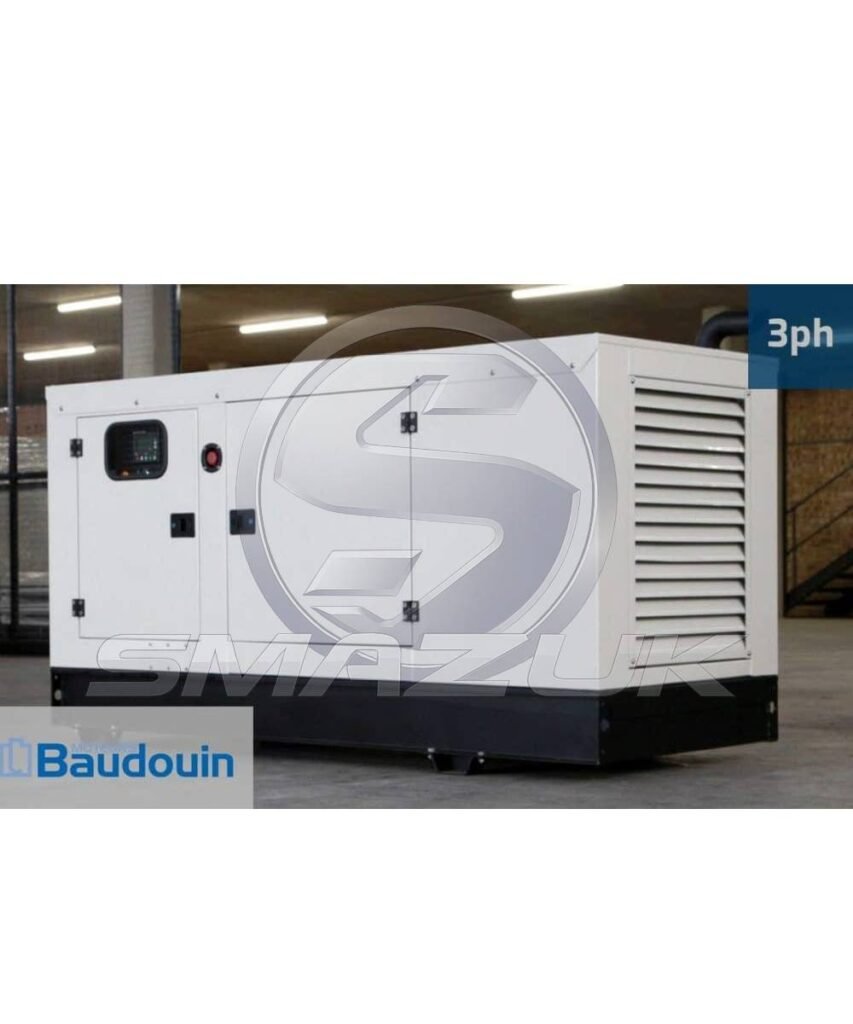
Diesel generator service schedule (typical intervals)
The table below shows a typical service schedule by running hours. Many standby generators do not reach the hours in a year, so most manufacturers also set a time limit – usually an annual service, whichever comes first.
| Interval | Typical tasks |
|---|---|
| Every 250–500 hours or 12 months | Change engine oil and oil filter; replace fuel filters; check air filter and replace if dirty; check belts, hoses and coolant strength |
| Every 500–1,000 hours | Replace air filter element; check injectors and valve clearances as per manual; inspect the turbocharger (turbo models) |
| Every 2 years | Replace coolant (unless long-life coolant is used); replace hoses and belts showing wear; replace starter batteries if weak |
| Annually (standby sets) | Full service plus a load test, insulation test of the alternator and a check of all control panel alarms and shutdowns |
Exact intervals depend on the engine. Popular generator engines such as Perkins, Baudouin and Hyundai each publish their own service intervals, so always check the manual for your model.
Fuel care: the most overlooked part of generator maintenance
Diesel stored for a long time can absorb water and grow bacteria (“diesel bug”), which blocks filters and damages injectors. To keep fuel healthy:
- Keep tanks as full as practical to reduce condensation.
- Drain water from the bottom of the tank and the water separator regularly.
- Change fuel filters at every service.
- Consider fuel testing or polishing for large tanks that are rarely used.
Batteries and starting system
Flat or weak batteries are one of the most common reasons a standby generator fails to start. Keep the battery charger switched on, keep terminals clean and tight, and replace starter batteries when they show signs of weakness – many sites replace them every 2–3 years as a precaution.
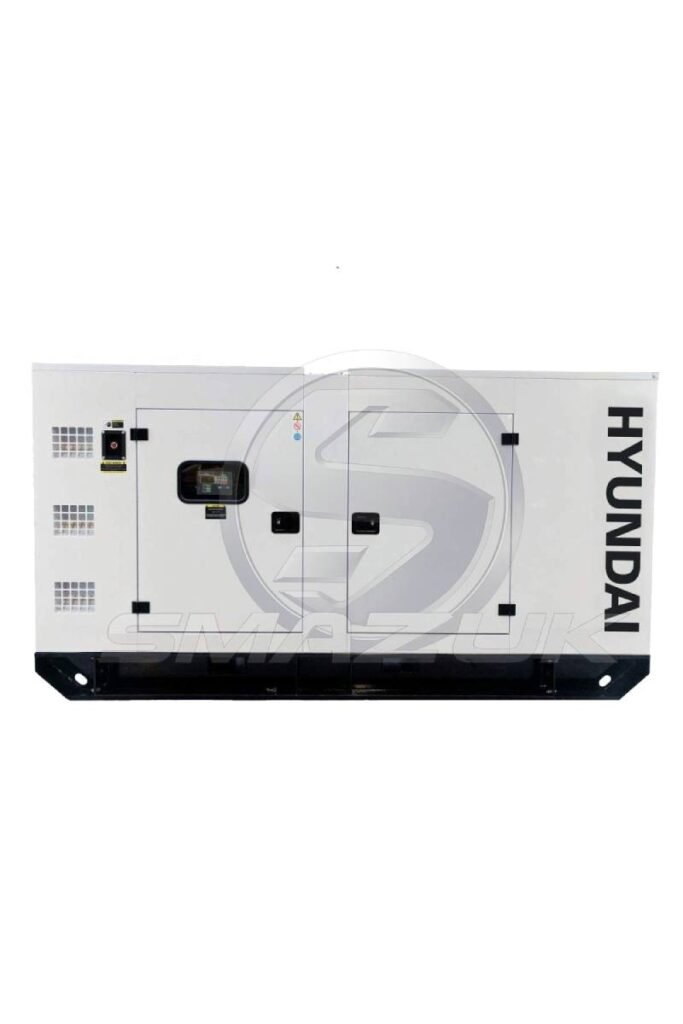
Printable diesel generator maintenance checklist
- ☐ Oil level OK
- ☐ Coolant level OK
- ☐ Fuel level OK, no leaks
- ☐ Air filter indicator OK
- ☐ Battery charger on, no faults
- ☐ Belts and hoses in good condition
- ☐ Water drained from fuel separator
- ☐ Monthly load run completed
- ☐ Control panel set to AUTO
- ☐ Next service date recorded in the logbook
When to repair and when to replace a generator
If an older generator needs frequent repairs, burns oil, or can no longer carry your site load, replacing it can cost less over time. If your power needs have grown, read our guide on what size diesel generator you need before choosing a new set. Small sites often look at sets such as the Perkins 15 kVA diesel generator, while farms, workshops and factories may need something like the Perkins 110 kVA or Baudouin EB200 200 kVA generator.
Frequently asked questions
How often should a diesel generator be serviced?
Most diesel generators need a full service every 250–500 running hours or once a year, whichever comes first. Check your engine manual for the exact interval.
How often should I run my standby generator?
A common practice is to run a standby generator once a month for around 30 minutes with a load connected. This keeps the engine lubricated, charges the system and helps prevent wet stacking.
What is wet stacking in a diesel generator?
Wet stacking is a build-up of unburnt fuel and carbon in the exhaust, caused by running a diesel engine at very light load for long periods. Regular running under a proper load helps prevent it.
Can I service a diesel generator myself?
Simple checks such as oil, coolant, fuel and battery levels can be done by trained site staff. Electrical work, load testing and major engine servicing should be done by a qualified generator engineer.
Need a new diesel generator or parts?
SMAZ Agri International UK supplies three-phase diesel generators from 15 kVA to 2500 kVA, including Perkins, Baudouin and Hyundai sets. Browse our full diesel generator range, read our FAQ, or send us an enquiry with your model and requirements and our team will get back to you with a quote.
Related guides: What size diesel generator do I need? · Yutong bus spare parts guide