
A used excavator can save you a large share of the price of a new machine, but only if you buy the right one. A tidy paint job can hide worn pins, a tired engine or an undercarriage that needs replacing soon. This checklist walks you through what to inspect before you buy a used excavator, whether it is a mini digger for a farm or a 20-tonne machine for a construction site.
Quick Used Excavator Inspection Checklist
- Paperwork, serial number and service history match the machine
- Engine starts cleanly from cold with no heavy smoke or knocking
- No hydraulic leaks; cylinder rods are smooth with no pitting or scoring
- Boom, arm and bucket hold position with the engine off (no drift)
- Pins and bushings have little play; no cracks or fresh weld repairs
- Undercarriage: tracks, sprockets, idlers and rollers have life left
- Swing is smooth with no clunk in the slew ring
- Cab controls, gauges, lights and warning systems all work
- Hour meter reading makes sense for the overall wear
1. Check the Paperwork and Service History
Start with the documents before you look at the machine. Ask for service records, oil and filter change history and any major repair invoices. Check that the serial number (PIN) on the frame plate matches the paperwork. In the UK, many machines carry CESAR registration, which helps confirm identity and ownership. A machine with a clear, regular service history is usually a safer buy than a low-hour machine with no records at all.
2. Inspect the Engine
Always try to see the engine started from cold. A warm engine can hide starting problems. Watch the exhaust: a little smoke on start-up is normal, but constant black smoke can point to fuel or air-intake problems, blue smoke to burning oil, and white smoke that does not clear to coolant or injection issues. Remove the oil filler cap with the engine running – heavy fumes pushing out (blow-by) suggest worn piston rings. Check the dipstick for milky oil, which can mean coolant is getting into the oil.
If the engine needs replacing, a good used unit can be cheaper than a full rebuild – see our used engines and transmissions range.
3. Test the Hydraulic System
The hydraulics do all the work on an excavator, and repairs can be expensive. Look for:
- Leaks around cylinders, hoses, fittings, the main pump and the swing motor.
- Cylinder rods – they should be smooth and shiny. Pitting, rust or scoring will damage seals.
- Drift test – raise the boom with the arm extended and switch off. If the boom or bucket slowly drops, seals may be worn.
- Cycle times – boom, arm, bucket and swing should move smoothly and with power, without jerking or slowing when the oil warms up.
- Hydraulic oil – it should be clean, not dark, burnt-smelling or foamy.
4. Look Closely at the Undercarriage
On a tracked excavator, the undercarriage is one of the most expensive parts to replace. Check the track chains, pins and bushings, track shoes (grousers), sprockets, idlers and top and bottom rollers. Hooked or sharp sprocket teeth, flat spots on rollers, oil leaking from rollers or idlers, and tracks that sag too much are all signs of heavy wear. Uneven wear on one side can mean the machine has spent a lot of time working on slopes or has an alignment problem.
5. Boom, Arm, Bucket, Pins and Bushings
Look for cracks, especially around the boom foot, the arm-to-boom joint and the bucket linkage. Fresh welds or new paint in only one area can hide a repair. Ask the operator to curl the bucket and move the arm while you watch the pins: a visible knock or play means worn pins and bushings. Check bucket teeth, side cutters and the quick hitch, and make sure the hitch safety lock works.
6. Swing and Slew Ring
Swing the upper structure in both directions. It should start, turn and stop smoothly. A clunk when changing direction or rocking of the upper structure on the undercarriage can mean a worn slew ring or swing bearing – a costly repair.
7. Cab, Controls and Electrics
Sit in the cab and test every control. Check the display for warning lights and stored fault codes, and make sure gauges, lights, horn, wipers, heater/air conditioning and travel alarm work. Very worn pedals, seat and joysticks compared to a low hour reading can be a warning sign. Check the cab protection structures (ROPS/FOPS) and the safety lever that locks out the hydraulics.
8. Hours vs Real Condition
Engine hours are useful, but they are not the whole story. A well-serviced machine with higher hours can be a better buy than a neglected low-hour one. Compare the hour meter with the wear on the pedals, pins, tracks and bucket. If they do not match, ask questions.
Which Size of Excavator Do You Need?
Buying the right size matters as much as buying a machine in good condition:
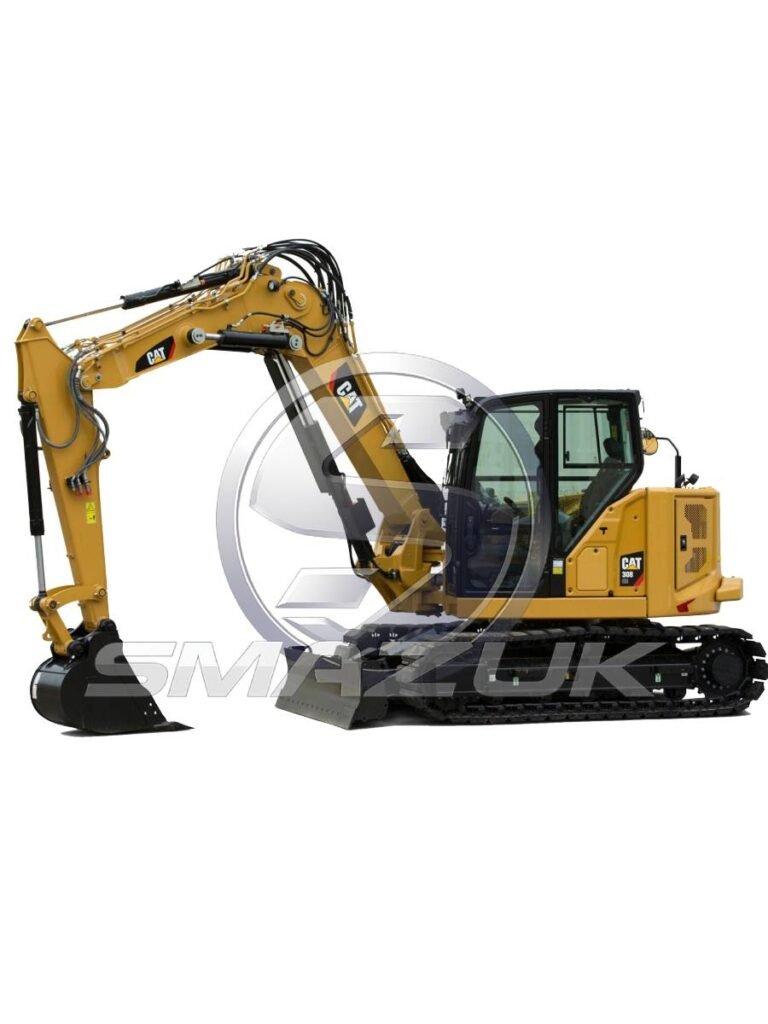
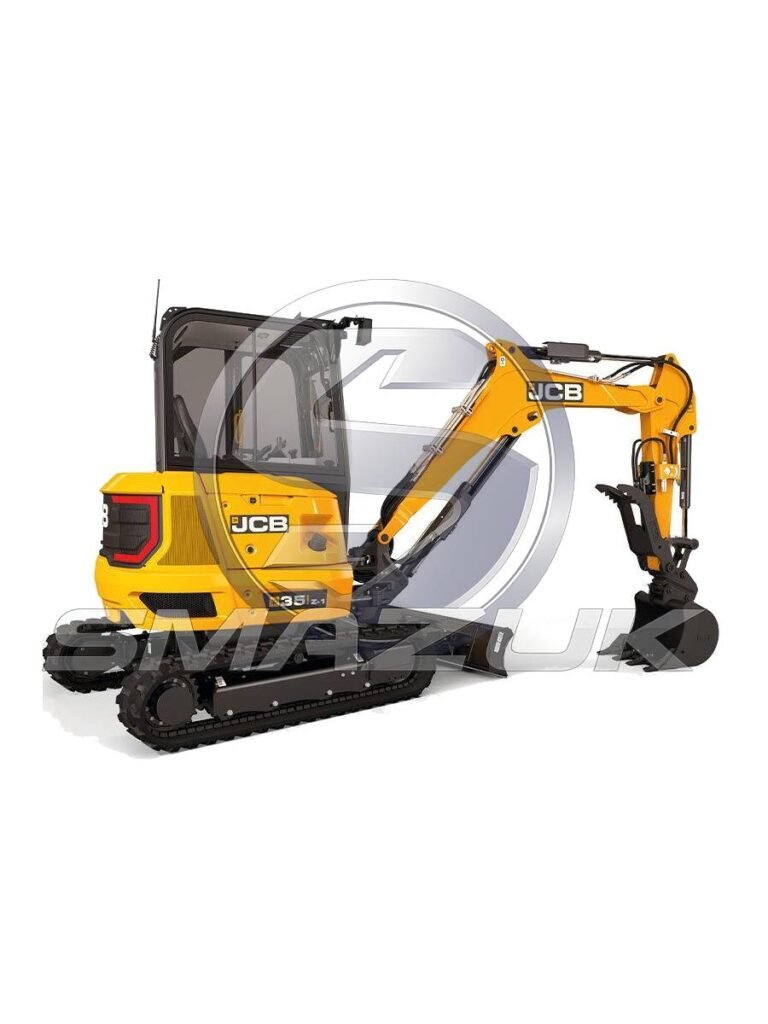
- Mini excavators (around 1–10 tonnes) – landscaping, farms, trenching and tight sites. Examples: JCB 35Z-1 mini excavator and Cat 308 CR mini excavator.
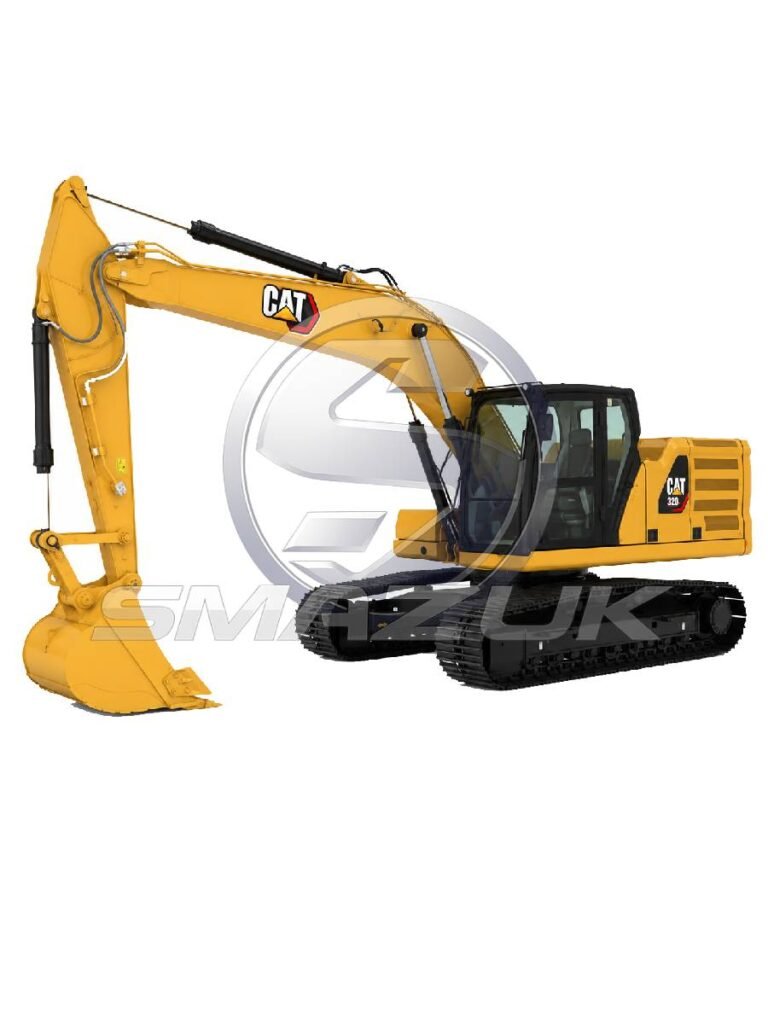
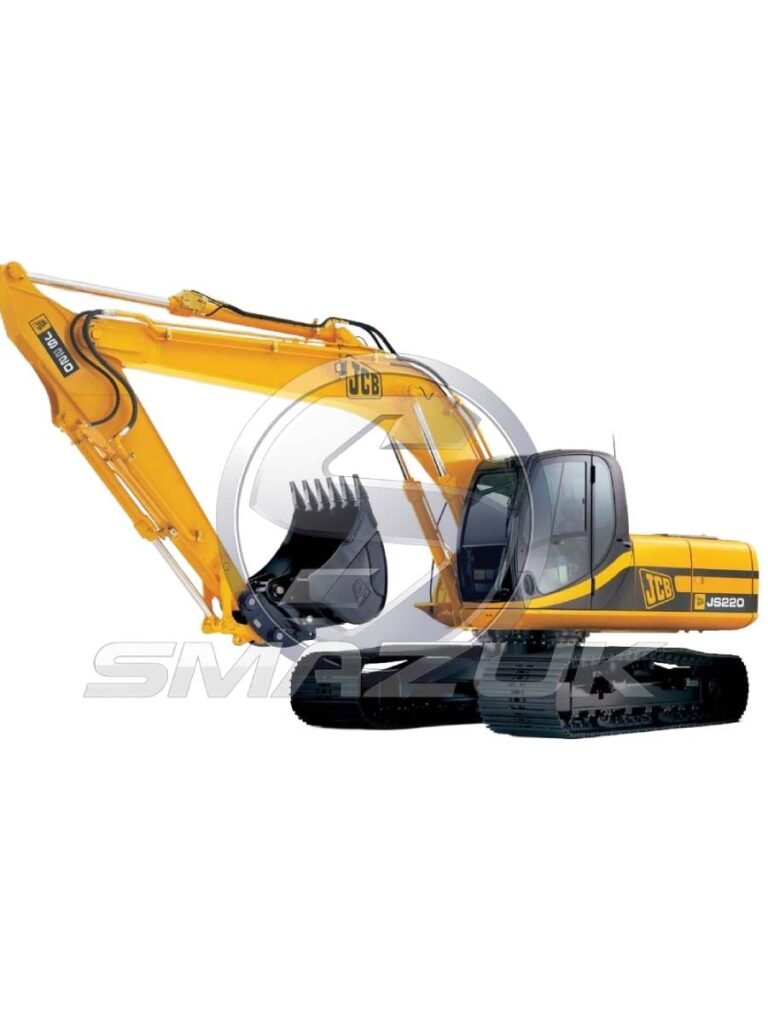
- Mid-size excavators (around 13–22 tonnes) – general construction, groundworks and utilities. Examples: JCB JS130, JCB JS220 and Cat 320.
- Large excavators (30 tonnes and above) – bulk earthmoving, quarrying and heavy demolition. Example: Cat 336 large excavator.
Excavator or Backhoe Loader?
If you need to dig and load, or move between sites on the road, a backhoe loader may suit you better than a tracked excavator. A compact model such as the JCB 1CX compact backhoe loader combines a loader shovel and a digging arm in one machine. Browse more options in our Hi Tech construction machinery and used machinery categories.
Buying a Used Excavator for Export
If you are buying from abroad, ask for a recent walk-around video with the engine running, close-up photos of the undercarriage, cylinders and data plate, and confirmation of shipping arrangements. SMAZ Agri International UK supplies customers worldwide from our UK office in Northampton, with loading available from ports across mainland China. Delivery time depends on product availability, from 24 hours up to 30 days.
Frequently Asked Questions
What is the most important thing to check on a used excavator?
The hydraulics and the undercarriage, because they are the most expensive systems to repair. Combine this with a cold engine start and a check of the service history.
Are high hours bad on a used excavator?
Not always. Maintenance history and actual wear matter more than the hour meter alone. A well-maintained machine with higher hours can outlast a neglected one.
Should I buy a Cat or a JCB excavator?
Both are widely used and well supported with parts. Choose based on the size you need, the condition of the individual machine, and parts and service availability in your country.
Need Help Finding the Right Machine?
Tell us the machine size, model and budget you have in mind and our team will help you find a suitable excavator or parts. Send us an enquiry or call/WhatsApp +44 7538 959335.
Related guides: What Size Diesel Generator Do I Need? · Combine Harvester Maintenance Checklist